
40 Healthcare Interior Ideas for Calm Healing
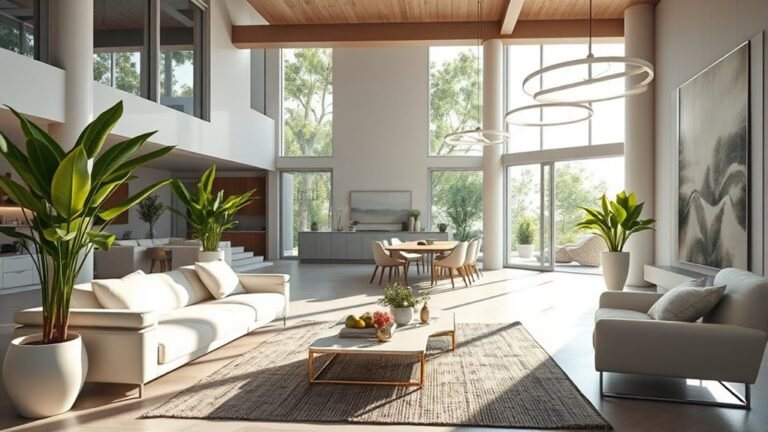
To create calm healing environments in healthcare settings, focus on integrating natural light, soothing color palettes, and flexible furniture arrangements. Incorporate nature-inspired artwork and biophilic design elements to enhance wellness. Don’t forget about technology integration that supports patient engagement and comfort. Cultural sensitivity in decor and playful elements for children’s spaces can also make a big difference. You’ll discover even more innovative ideas and inspirations to enhance your healthcare interior.
Soothing Color Palettes

Since color can greatly impact emotions and perceptions, choosing soothing color palettes for healthcare interiors is essential for creating a calming environment.
Incorporate soothing neutrals, calming blues, and pastel greens alongside warm earthtones and tranquil whites. Gentle yellows, serene purples, and soft pinks can enhance comfort.
Use nature-inspired hues and harmonious contrasts to establish wellness palettes that promote balance and restorative shades for patient healing.
Flexible Furniture Arrangements

How can flexible furniture arrangements transform healthcare spaces?
By incorporating modular furniture, you can create versatile environments that adapt to various needs.
These arrangements foster collaborative spaces, allowing staff and patients to interact comfortably.
You’ll find that reconfiguring seating areas or workstations can enhance the healing atmosphere, promoting community and making your healthcare facility feel welcoming and efficient.
Nature-Inspired Artwork

Nature-inspired artwork can breathe life into healthcare spaces, creating a calming and uplifting environment for patients and staff alike.
Incorporating nature-inspired murals and botanical photography can evoke feelings of tranquility and connection to the outdoors.
These visuals not only enhance the aesthetic appeal but also promote healing by reducing stress and anxiety, making the space more inviting and supportive for everyone.
Biophilic Design Elements

While creating a healing environment, incorporating biophilic design elements can greatly enhance the overall atmosphere of healthcare spaces.
Use living walls and indoor greenery to bring nature indoors. Opt for green furnishings and natural materials to create comfort.
Consider organic shapes and thoughtful plant placement, along with water features and garden views, to evoke tranquility, complemented by wildlife imagery and nature textures throughout the space.
Comfortable Waiting Areas

Creating a peaceful environment in healthcare spaces doesn’t stop with sound-reducing materials; comfortable waiting areas also play an essential role in enhancing patient experience.
By incorporating soft seating, calming colors, and strategic layouts, you guarantee patient privacy while reducing anxiety.
Additionally, offering visitor amenities like refreshments and reading materials makes the wait more enjoyable and helps foster a welcoming atmosphere for everyone.
Private Consultation Rooms

Private consultation rooms are essential for ensuring patients feel safe and respected during their healthcare visits.
You should prioritize patient privacy by designing these spaces with soundproofing and therapeutic acoustics. Incorporate soft furnishings and calming colors to create an inviting atmosphere.
This thoughtful design not only enhances comfort but also encourages open communication, helping patients share their concerns without fear or hesitation.
Healing Garden Spaces

While you might think of hospitals and clinics as sterile environments, integrating healing garden spaces can transform them into tranquil retreats.
Imagine stepping into a therapeutic landscape filled with healing plants that promote relaxation and recovery.
These serene environments encourage patients to connect with nature, reduce stress, and enhance overall well-being, creating a soothing atmosphere that supports the healing process.
Patient-Centered Design

Healing garden spaces not only provide a serene escape but also pave the way for patient-centered design in healthcare settings.
By focusing on design empathy, you can enhance patient engagement, ensuring that every element caters to their emotional and physical needs.
Incorporating natural light, comfortable seating, and personal touches fosters a healing environment, making patients feel valued and understood during their care journey.
Efficient Wayfinding Systems

Efficient wayfinding systems are essential for helping patients and visitors navigate healthcare facilities with ease. Incorporating clear signage placement, color-coded routes, and accessible signage enhances directional clarity.
User-friendly maps, digital wayfinding, and interactive kiosks improve the user experience. Additionally, thematic navigation, landmark recognition, and multi-language support guarantee smooth patient flow while technology integration and community input refine feedback mechanisms.
Emergency exits should remain clearly marked.
Relaxation Lounges

Maneuvering a healthcare facility can be stressful, making the presence of relaxation lounges a valuable addition.
These spaces, designed with tranquil aesthetics, invite you to unwind and recharge. You’ll find comfortable seating that encourages social interaction, allowing you to connect with others and share experiences.
Child-Friendly Areas

Creating welcoming child-friendly areas in healthcare facilities enhances the experience for both young patients and their families.
Incorporate playful murals and colorful accents to brighten the space. Interactive play zones and imaginative play areas encourage safe exploration, while storytelling corners spark creativity.
Sensory gardens and educational displays provide engaging environments, and family-friendly seating guarantees comfort for everyone, creating a truly nurturing atmosphere.
Multi-Sensory Environments

As you design healthcare spaces, incorporating multi-sensory environments can greatly enhance patient care and comfort.
By integrating tactile surfaces and olfactory cues, you create immersive experiences that stimulate the senses.
Consider auditory environments with calming sounds and visual narratives that engage patients cognitively.
Add interactive features to foster emotional responses and improve spatial awareness, ultimately promoting healing and well-being.
Warm Lighting Solutions

While warm lighting solutions might seem like a simple design element, they play an essential role in enhancing the atmosphere of healthcare spaces.
Use ambient lighting with adjustable brightness and dimmable fixtures to promote mood enhancement and visual comfort.
Consider color temperature and fixture placement, employing layering techniques for energy efficiency, creating a healing atmosphere that supports recovery and well-being.
Outdoor Views

Incorporating outdoor views into healthcare design can greatly enhance patient experience and well-being.
By showcasing healing landscapes, you create a calming environment that promotes recovery. Therapeutic views allow patients to connect with nature, reducing stress and anxiety.
Consider large windows or outdoor spaces that invite sunlight and greenery, fostering a sense of peace and encouraging a positive mindset throughout their healing journey.
Minimalist Decor

Minimalist decor can transform healthcare spaces into serene environments that promote healing and comfort.
By using minimalist furnishings, you create clutter-free spaces that allow patients and staff to focus on well-being. Simple lines and neutral colors enhance tranquility, while thoughtful layouts encourage ease of movement.
Embracing minimalism helps reduce stress, making each visit more peaceful and restorative for everyone involved.
Soft Textiles and Upholstery

Soft textiles and upholstery can greatly enhance the comfort of healthcare environments, ensuring patients feel more at ease during their visit.
By incorporating various fabric textures, you create a warm and inviting atmosphere.
Adding comfort layers to seating and bedding can further promote relaxation, allowing patients to focus on healing.
Thoughtful choices in textiles make a significant difference in the overall experience.
Inspirational Quotes and Messages

Incorporating inspirational quotes and messages throughout healthcare spaces can greatly uplift the spirits of patients and staff alike.
By displaying healing quotes in waiting areas and hallways, you create an environment that fosters hope and positivity.
These inspirational messages serve as gentle reminders of resilience, encouraging everyone to focus on their journey towards recovery and well-being.
Embrace the power of words to inspire healing.
Personal Touches in Design

While designing healthcare spaces, adding personal touches can greatly enhance the experience for patients and their families.
Incorporate personal mementos, like family photographs and cultural artifacts, to create a comforting atmosphere.
Consider featuring personalized artwork that reflects patient stories, or installing memory walls showcasing unique decor.
Supporting local craftsmanship can also foster a sense of community and connection within the healing environment.
Quiet Rooms for Reflection

Creating spaces for reflection complements Digital Detox Zones by offering individuals a dedicated area to pause and gather their thoughts.
These quiet rooms serve as meditative spaces, promoting calm and clarity. You can enhance these environments with soft furnishings like plush chairs and cushions, inviting you to sit back and unwind.
The right design fosters tranquility, helping you reconnect with your inner self.
Therapeutic Color Usage

When you choose therapeutic colors for healthcare interiors, you’re not just picking shades; you’re actively shaping the emotional and psychological landscape of the space.
Consider color psychology and its emotional impact on patient perception. Emphasize color harmony and contrast, while respecting cultural significance and context.
Also, factor in light influence and seasonal variations to enhance the therapeutic effects, creating a calm and inviting environment.
Art Therapy Spaces

Art therapy spaces play an essential role in enhancing the therapeutic environment established by thoughtful color choices.
These areas foster art integration, allowing you to explore creative expression through various mediums.
Imagine a serene setting filled with natural light, inviting you to engage in artistic activities.
This nurturing atmosphere encourages healing, helping you connect with your emotions and promote well-being through creativity.
Eco-Friendly Materials

While you design healthcare spaces, consider using eco-friendly materials that not only benefit the environment but also enhance patient well-being.
Opt for sustainable sourcing, recycled materials, and non-toxic finishes. Incorporate renewable resources and energy-efficient solutions, aiming for green certifications.
Look for low VOC options and biodegradable products, while also integrating sustainable landscaping to create an inviting and healing environment.
Community Art Collaborations

When you incorporate community art collaborations into healthcare settings, you not only beautify the environment but also strengthen the bond between patients and their local community.
Engage in art workshops, mural projects, and local artist showcases. Host community exhibitions and interactive installations, while embracing collaborative projects and art therapy.
Artist residencies and public art can showcase cultural expressions, enriching the healing experience for everyone involved.
Cultural Sensitivity in Decor

Cultural sensitivity in decor is essential for creating an inclusive healthcare environment that respects and reflects the diverse backgrounds of patients and staff.
By incorporating cultural symbolism, traditional patterns, and ethnic textiles, you can celebrate community stories and heritage references.
Use inclusive motifs and respectful imagery that highlight regional influences and diverse narratives, ensuring a space that resonates with universal themes of healing and comfort.
Playful Elements for Children

Creating a welcoming atmosphere in healthcare settings goes beyond just cultural sensitivity; it’s also about engaging younger patients.
Incorporate playful murals and whimsical furniture to spark joy. Add interactive installations and sensory play areas to keep them entertained.
Create storytelling corners and host creative workshops with educational games in vibrant colors, making the space inviting and fun for children during their visits.
Mindfulness Spaces

While traversing the often-stressful healthcare environment, you can benefit from dedicated mindfulness spaces that promote relaxation and mental well-being.
These areas encourage mindful meditation and enhance sensory awareness, allowing you to reconnect with yourself. Soft lighting, calming colors, and natural elements create a serene atmosphere, helping you unwind and refocus.
Incorporating these spaces can greatly improve your healing experience.
Conclusion
By incorporating these 40 healthcare interior ideas, you can create spaces that promote calm and healing. Emphasizing natural light, soothing colors, and biophilic design not only enhances aesthetics but also supports well-being. Don’t forget to include flexible furniture and playful elements for children, making the environment welcoming for all. With thoughtful design choices, you can transform healthcare settings into nurturing spaces where patients and families feel more at ease. Embrace these concepts to foster a truly healing atmosphere.