40 Beginner Gardening Ideas for Starting Your Green Journey
Starting your gardening journey is exciting! Begin by choosing the right location with ample sunlight and good drainage. Understand your soil type and test pH and nutrients to guarantee healthy plants. Select easy-to-grow options like basil and tomatoes, and decide between seeds or seedlings. You might even explore hydroponics for fun. Join a local gardening community for support and celebrate your successes along the way. Keep exploring to uncover even more ideas for your green adventure!
Choosing the Right Location for Your Garden

When it comes to choosing the right location for your garden, it’s essential to take into account sunlight, drainage, and accessibility.
Consider the sun exposure your plants need and how nearby structures might create shade. Wind protection is vital, too, so think about natural barriers.
Accessibility considerations help you tend to your garden easily, while proximity to water simplifies watering tasks. Be mindful of drainage issues that could harm your plants and check for wildlife presence that might interfere.
Finally, verify your garden layout is safe, visually appealing, and functional, enhancing both your space and your gardening experience.
Understanding Your Soil Type

Choosing the right location for your garden sets the stage, but understanding your soil type is just as important for plant success.
Begin by evaluating your soil texture—it’s either sandy, clayey, or loamy. Sandy soil drains quickly but lacks nutrients, while clayey soil holds moisture yet can be dense. Loamy soil, a mix of both, usually offers the best balance for plant growth.
Next, consider the nutrient composition. Different plants thrive in various soil types, so knowing what you’re working with helps you choose the right plants and amendments.
This foundational knowledge guarantees your gardening journey starts off strong.
Selecting Easy-to-Grow Plants

While you might feel overwhelmed by the vast array of plant options, selecting easy-to-grow varieties can simplify your gardening journey.
Focus on herb selection with easy herbs like basil and mint. For vegetable choices, consider tomatoes and radishes, known for their pest resilience.
Explore colorful foliage with low maintenance plants like ornamental grasses. When it comes to flower options, choose seasonal blooms such as marigolds or zinnias for vibrant colors.
Don’t forget fruit varieties like strawberries, which thrive with minimal care. Look for plants with drought resistance to reduce watering needs, ensuring a flourishing garden without too much effort.
Starting With Seeds vs. Seedlings

Whether you’re enthusiastic to watch your plants grow from the very beginning or prefer a quicker start, deciding between seeds and seedlings can shape your gardening experience.
If you choose seeds, you’ll need to master seed germination techniques to guarantee successful growth. Start by providing the right amount of moisture and warmth.
On the other hand, seedlings offer a jumpstart, allowing you to focus on seedling care tips like proper watering and sunlight exposure.
Both methods have their charm, so think about your patience level and gardening goals. Whichever you choose, you’ll be well on your way to a thriving garden!
Incorporating Companion Planting

Incorporating companion planting can greatly enhance your garden’s health and productivity, as certain plants support each other’s growth. By pairing plants like tomatoes and basil, you’ll enjoy companion benefits such as improved flavor and pest control.
Consider mixing marigolds with vegetables; they repel harmful insects while attracting beneficial ones. Experiment with different plant pairings to find combinations that thrive together.
For instance, beans fix nitrogen in the soil, benefiting nearby corn. Keep a journal to track your successes and failures.
Embracing companion planting not only boosts your yield but also creates a vibrant, diverse garden ecosystem. Immerse yourself and enjoy!
Building Raised Garden Beds

Building raised garden beds can transform your gardening experience, especially if you want to create a defined space for your plants.
Choose durable raised bed materials like wood or metal, and consider garden bed dimensions that suit your space. Aim for a soil depth of at least 12 inches for healthy roots.
Incorporate drainage solutions, such as gravel at the bottom, to prevent waterlogging. Use maintenance tips like adding mulch and pest barriers to protect your crops.
Experiment with planting techniques and crop selection, making seasonal adjustments to maximize your yield and enjoy a beautiful, productive garden.
Understanding Sunlight Requirements

After maximizing your space with vertical gardening techniques, it’s important to contemplate how sunlight affects your plants.
Understanding sunlight exposure is key. Different plants have varying light requirements; sun loving plants thrive in high light intensity, while others may prefer shade tolerance.
Pay attention to your garden orientation, as it influences seasonal sunlight. Use sunlight tracking to determine the best spots for your plants based on their needs.
Consider how much direct and indirect sunlight each area receives throughout the day. By aligning your plant choices with their light requirements, you’ll create a thriving garden filled with healthy, vibrant growth.
Organic Pest Control Methods

Keeping your plants healthy goes beyond just watering; protecting them from pests is equally important. You can utilize natural predators, like ladybugs, to keep harmful insects at bay.
Insect barriers such as row covers protect your crops while allowing sunlight in. Consider planting companion herbs that repel pests naturally.
For a more direct approach, try organic sprays like garlic spray or soap solutions to deter unwanted guests. Homemade repellents can also be effective.
Additionally, beneficial nematodes target soil-dwelling pests, ensuring your plants thrive. With these organic pest control methods, you’ll create a healthier garden ecosystem.
Attracting Beneficial Insects

Attracting beneficial insects is an essential step in creating a thriving garden ecosystem. You can start by planting beneficial plants like lavender, marigolds, and dill, which draw in pollinators and predatory insects.
These plants provide food sources and create insect habitats, encouraging a variety of helpful critters. Additionally, avoid using pesticides that harm these allies.
Instead, consider providing small water sources and shelter, such as native grasses or flower patches, to support their populations. By fostering a welcoming environment, you’ll enhance your garden’s health and productivity, making it a vibrant space for both plants and beneficial insects.
Mulching for Moisture Retention

When you mulch your garden beds, you not only enhance the aesthetic appeal but also greatly boost moisture retention.
The benefits of mulching are significant; it reduces evaporation, keeping your soil consistently moist. You can choose from various types of mulch, including organic materials like wood chips, straw, or grass clippings, which break down and enrich your soil over time.
Alternatively, inorganic options like rubber or gravel provide long-lasting benefits without the need for replacement.
Creating a Compost Bin

After you’ve mastered pruning, consider enhancing your garden’s health by creating a compost bin.
Start by gathering compost materials like vegetable scraps, grass clippings, and dried leaves. Layer these items in your bin, ensuring a good mix of green and brown materials.
For ideal compost maintenance, turn the pile every few weeks to aerate it and speed up decomposition. Keep the compost moist, but not soggy.
In a few months, you’ll have rich, dark compost ready to nourish your plants. This simple practice not only reduces waste but also boosts your garden’s productivity and soil health.
Happy composting!
Recycling Kitchen Scraps for Fertilizer

If you want to give your garden a nutrient boost, recycling kitchen scraps for fertilizer is an excellent way to do it. Instead of tossing those vegetable peels, coffee grounds, and eggshells in the trash, collect them for nutrient recycling.
Chop them up and mix them into your compost pile or directly into the soil. These kitchen scraps enrich the earth, providing essential nutrients to your plants. Not only will you reduce waste, but you’ll also create a thriving garden.
Start saving those scraps today, and watch your plants flourish with the natural fertilizer you’ve made!
Growing Herbs for Culinary Use

Crop rotation not only boosts soil health but also sets the stage for a thriving herb garden.
Start with popular herb varieties like basil, rosemary, and cilantro, each with unique culinary uses. Make sure you understand their growing conditions, whether you’re cultivating indoor herbs or seasonal herbs outdoors.
Create herb combinations that complement your dishes and enjoy fresh flavors year-round. Master harvesting techniques to encourage regrowth and consider herb preservation methods for longer-lasting enjoyment.
Don’t forget pest management strategies to keep your kitchen garden healthy. With attention and care, you’ll have a flourishing herb garden that enhances your cooking!
Starting a Vegetable Garden

Starting a vegetable garden can be an incredibly rewarding journey, especially when you see the fruits of your labor come to life.
Begin with crop selection—choose vegetables that thrive in your climate and suit your taste. Consider easy options like tomatoes, lettuce, and radishes.
Next, create a planting schedule to optimize growth; some crops prefer cool weather while others thrive in warmth.
Make sure to rotate your crops each season to maintain soil health.
With proper planning and care, you’ll enjoy fresh produce right from your garden, enhancing your meals and connecting you to nature.
Happy gardening!
Growing Fruits in Your Backyard

If you’ve ever dreamed of plucking juicy fruits right from your backyard, now’s the perfect time to turn that dream into reality.
Start with berry plant selection and choose fruiting plant varieties suited to your climate. Consider creating a backyard orchard design that maximizes sunlight and space.
Focus on fruit tree care, including pruning fruit trees for better yields. Implement pollination techniques to guarantee fruitful harvests and explore companion fruit planting for healthier plants.
Don’t forget pest management strategies to protect your crops while practicing organic fruit cultivation.
Enjoy the rewards of seasonal fruit harvesting throughout the year!
Seasonal Planting Calendar

A well-planned seasonal planting calendar can be your best friend in the garden. By tracking seasonal trends, you’ll know when to sow seeds or transplant seedlings for peak growth.
Start by marking planting dates based on your region’s climate. Use planting tips, like grouping plants that thrive together or staggering sowing times for continuous harvests.
Don’t forget to account for frost dates, ensuring you protect vulnerable seedlings. As seasons change, adjust your calendar to reflect new crops, keeping your garden vibrant year-round.
With a little organization, you’ll cultivate a thriving garden that flourishes with each season.
Indoor Gardening Ideas

As you plan your outdoor garden, don’t forget about the possibilities of indoor gardening.
Indoor plants can brighten your space and improve air quality. Start with an indoor plant selection that suits your light conditions, like pothos for low light or succulents for bright areas.
Invest in essential indoor gardening tools, such as pots, watering cans, and moisture meters, to help you maintain your greenery.
Remember to check for pests and water your plants appropriately.
With a bit of care and attention, you can create a thriving indoor garden that complements your outdoor efforts beautifully.
Enjoy your green journey!
Using Natural Fertilizers

While chemical fertilizers can offer quick results, using natural fertilizers enriches your soil and promotes long-term plant health.
You can start with compost tea or worm castings, which boost microbial activity. Fish emulsion provides essential nutrients, while bone meal adds phosphorus for strong roots.
Consider using green manure and wood ash to improve soil structure and pH. Seaweed extract offers trace minerals, and chicken manure is a powerhouse for nitrogen.
Don’t forget coffee grounds for acidity and egg shells for calcium.
Building a Simple Trellis

If you want to maximize your garden space and support climbing plants, building a simple trellis is a great solution.
Choose sturdy trellis materials like wood or metal for durability. Consider various trellis designs to match your garden’s style, and guarantee the trellis height accommodates the specific plants you’re growing.
Proper trellis placement is essential; position it in a spot with adequate sunlight and airflow. Regular trellis maintenance will keep it in good shape, enhancing its benefits.
With a well-constructed trellis, your climbing plants will flourish, adding beauty and productivity to your garden. Enjoy the rewards of your hard work!
Creating a Butterfly Garden

Creating a butterfly garden can transform your outdoor space into a vibrant haven for these beautiful insects.
Start by planting nectar-rich flowers like coneflowers, milkweed, and zinnias to attract butterflies.
Don’t forget to include butterfly host plants, such as parsley and dill, where caterpillars can thrive.
Arrange your plants in clusters to create a visually appealing landscape while providing ample resources for your fluttering friends.
Make sure your garden gets plenty of sunlight and has some sheltered spots to protect butterflies from harsh winds.
With a little effort, you’ll enjoy the beauty and joy these delicate creatures bring to your garden.
Incorporating Native Plants

Attracting butterflies is just one of the many benefits of incorporating native plants into your garden.
By choosing plants native to your area, you support local biodiversity, creating a thriving ecosystem. Native plants require less water and maintenance, making your gardening experience easier and more sustainable.
They’ll also attract pollinators, which are essential for healthy gardens. Plus, native species are adapted to your soil and climate, ensuring they flourish without extra care.
Starting a Pollinator Garden

While you might think of flowers as just a pretty addition to your garden, starting a pollinator garden can greatly boost local ecosystems.
By planting native flowers, you’ll attract various pollinator species like bees, butterflies, and hummingbirds. Choose a mix of plants that bloom throughout the seasons to provide a continuous food source.
Garden maintenance involves keeping the area free of pesticides and providing water sources. Regularly check for weeds and dead plants to maintain a healthy environment.
With dedication, your pollinator garden will thrive, supporting these essential creatures and enhancing the beauty of your outdoor space.
DIY Garden Decorations

Creating DIY garden decorations can transform your outdoor space into a personal sanctuary that reflects your style. You can craft whimsical windchimes to dance in the breeze or paint garden stones to add color.
Try using recycled planters for a sustainable touch, and set up enchanting fairy gardens to spark imagination. Build DIY birdhouses to attract feathered friends, or create garden art sculptures for a unique focal point.
Hang lanterns for evening ambiance, design mosaic garden paths for charm, and repurpose tires as upcycled planters. Don’t forget to make delightful terracotta pot people to bring smiles to your garden!
Utilizing Rainwater for Irrigation

While many gardeners rely on municipal water sources, utilizing rainwater for irrigation can be a sustainable and cost-effective alternative.
By implementing rainwater harvesting, you’ll collect and store rainwater for your plants’ needs. Set up simple irrigation systems using barrels or tanks connected to your roof’s guttering. This not only conserves water but also reduces your utility bills.
Make sure to filter the collected water to keep it clean and free from debris. With a bit of planning, you can create an efficient setup that benefits your garden while contributing to a healthier environment.
Start your green journey with this eco-friendly approach!
Exploring Hydroponics

Rainwater harvesting is just one way to make your gardening efforts more sustainable.
Exploring hydroponics can take your indoor farming to the next level. Hydroponic systems use nutrient solutions instead of soil, enhancing plant growth and boosting crop yields.
You’ll need to choose appropriate growing mediums and guarantee proper light requirements for your plants. Maintaining pH balance is vital for nutrient absorption, while effective system maintenance keeps everything running smoothly.
Plus, hydroponics promotes water conservation, making it an eco-friendly choice. Immerse yourself in this innovative method and watch your indoor garden thrive like never before!
Understanding Microclimates

Understanding microclimates can greatly enhance your gardening success, especially when you realize that even small variations in temperature, moisture, and sunlight can impact plant growth.
Conduct a microclimate analysis to identify temperature variations and humidity levels in your garden. Observe wind patterns and shade influences, as these factors affect moisture retention and plant health.
Be aware of frost zones, which can determine what plants thrive in your area. Additionally, consider elevation effects, as higher areas may experience cooler temperatures.
Joining a Local Gardening Community

Exploring your garden’s microclimate can lead you to discover how a local gardening community can enhance your gardening journey.
By joining such a community, you’ll find valuable networking opportunities with fellow gardeners who share similar interests and experiences. They can offer practical advice tailored to your area’s conditions.
Plus, you can engage in sharing resources like seeds, tools, and gardening techniques, which can save you time and money.
Whether through workshops, online forums, or local meet-ups, connecting with others will enrich your knowledge and keep you motivated.
Embrace this support network, and watch your gardening skills flourish.
Celebrating Your Gardening Successes

As you nurture your garden, it’s essential to take a moment and celebrate your successes, no matter how small they may seem.
Start by documenting growth and tracking progress; it’s rewarding to see how far you’ve come. Share achievements with friends and family, perhaps by hosting gatherings to showcase your plants.
Celebrate milestones, like your first bloom or harvest, and reward yourself with gardening tools or a special treat. Reflect on your journey, appreciating nature and all the lessons learned.
Start With Easy-To-Grow Herbs

Herbs are the perfect starting point for beginner gardeners looking to cultivate their green thumbs. You’ll love the herb benefits, like fresh flavors in your cooking and natural remedies for common ailments.
Start with easy herb varieties like basil, mint, and parsley—they thrive with minimal care. Growing these plants can boost your confidence and inspire you to explore more gardening. Plus, they’re often pest-resistant, making them ideal for novices.
As you nurture your herbs, you’ll learn valuable skills about plant care, watering, and sunlight requirements, laying a strong foundation for future gardening adventures. Enjoy the journey!
Create a Container Garden

If you’re short on space or want to add a splash of greenery to your patio or balcony, creating a container garden is a fantastic option.
You can choose from various container types, such as terracotta pots, hanging baskets, or recycled containers. Each type has its own charm and functionality.
When selecting soil options, opt for potting mix specifically designed for containers, as it provides good drainage and aeration.
Don’t forget to reflect on the size of your plants and their sunlight needs.
With a little creativity, you’ll transform your small space into a vibrant oasis of color and life!
Grow Vegetables in Raised Beds

Growing vegetables in raised beds not only maximizes your gardening space but also makes tending to your plants easier on your back.
By using compost, you enhance soil health and provide essential nutrients for your crops.
Plan your garden layout carefully to incorporate crop rotation, which helps manage pests and diseases.
Employ efficient watering techniques to keep your plants thriving, and consider seasonal planting to make the most of your space.
Be mindful of plant spacing to prevent overcrowding, ensuring each vegetable has room to grow.
With these tips, you’ll enjoy a productive and rewarding gardening experience!
Try Vertical Gardening

For gardeners with limited space, vertical gardening offers an innovative way to expand your growing area.
By using vertical planters, you can create stunning wall gardens that maximize your space while adding beauty to your home. Choose a sunny wall or fence to set up your planters, and fill them with herbs, flowers, or even small vegetables.
You’ll not only save ground space but also make caring for your plants easier. With the right vertical design, you can enjoy a lush garden without sacrificing precious square footage.
Start experimenting, and watch your vertical garden flourish!
Start With Flowering Annuals

After embracing the benefits of native plants, you might want to add a splash of color to your garden with flowering annuals.
These vibrant flowering plants offer stunning seasonal blooms that can brighten up any space. Choose varieties like marigolds, petunias, or zinnias to create a lively atmosphere.
They’re easy to grow, making them perfect for beginners. Plant them in well-drained soil and guarantee they receive plenty of sunlight.
Water regularly, and you’ll enjoy a continuous display of color throughout the growing season.
With flowering annuals, you’ll gain confidence in your gardening skills while enhancing your outdoor oasis!
Experiment With Succulents

If you’re looking to add variety to your garden, experimenting with succulents can be a rewarding adventure.
These hardy plants come in countless succulent varieties, each with unique shapes and colors. They thrive in well-draining soil and prefer low soil moisture, making them perfect for beginners.
Start by choosing a few different types, like Echeveria or Aloe, and observe how they grow in different conditions. Remember to avoid overwatering, as that’s a common mistake.
With a little care, you’ll enjoy a stunning arrangement that adds character to your space while requiring minimal maintenance.
Happy gardening!
Grow Your Own Salad Greens

Adding a touch of greenery to your garden can be as simple as growing your own salad greens. You can choose from various salad varieties like lettuce, spinach, and arugula, which are all easy to grow.
These greens thrive in cooler weather and can be sown directly in your garden or containers. Not only do they add freshness to your meals, but they also offer impressive nutrient benefits.
Packed with vitamins A, C, and K, salad greens help boost your immune system and support overall health. Start small, and soon you’ll enjoy fresh, homegrown salads right from your garden!
Plant a Butterfly Garden

Creating a butterfly garden can be a delightful way to attract these beautiful creatures to your outdoor space.
Start by researching local butterfly species to understand which ones visit your area. Plant a variety of nectar plants, like coneflowers, milkweed, and butterfly bushes, to provide food for the butterflies.
Make sure to include host plants where butterflies can lay their eggs, ensuring a thriving garden. Choose a sunny spot with shelter from wind, and keep the soil moist.
By nurturing a butterfly garden, you’ll create a vibrant ecosystem while enjoying the enchanting sight of fluttering wings.
Happy gardening!
Make a Pollinator-Friendly Space

While many plants can beautify your garden, making it a pollinator-friendly space is essential for supporting bees, butterflies, and other beneficial insects.
Start by incorporating diverse pollinator plants like coneflowers, lavender, and milkweed into your garden design. Group these plants together to create vibrant patches that attract pollinators.
Avoid using pesticides, as they can harm these vital visitors. Additionally, consider adding water sources, like shallow dishes or birdbaths, to provide hydration.
Finally, leave some areas a bit wild with native grasses or wildflowers, creating a welcoming habitat for pollinators. Your garden will thrive with their help!
Start With Perennials

Starting your garden journey with perennials can set you up for success, as these plants come back year after year with minimal effort on your part.
One of the greatest perennial benefits is their ability to thrive in various climates, making them suitable for any garden. From vibrant daylilies to classic hostas, there are countless perennial varieties to choose from.
They not only add beauty to your space but also attract beneficial pollinators.
As a beginner, focusing on perennials allows you to enjoy a flourishing garden with less maintenance, giving you more time to appreciate your hard work and creativity.
Grow Indoor Plants

In addition to outdoor gardening, growing indoor plants can bring life and freshness to your home.
Start by choosing low-maintenance varieties like pothos or snake plants, which thrive in various indoor lighting conditions.
Make sure to assess your space for natural light and consider using grow lights if needed.
For plant care, water your plants when the soil feels dry and use potting soil that drains well.
Dust the leaves occasionally to keep them clean and healthy.
With just a little attention, you can enjoy a vibrant indoor garden that enhances your living space and purifies the air.
Start a Compost Bin
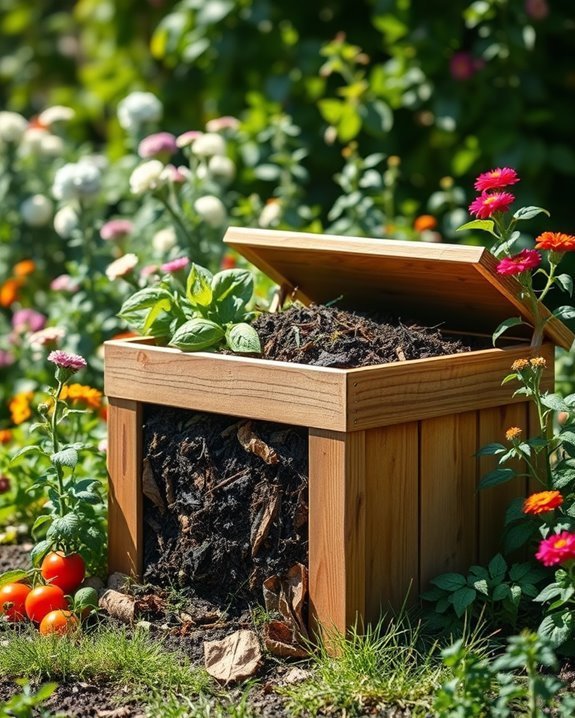
A compost bin can transform kitchen scraps and yard waste into nutrient-rich soil for your garden. You’ll enjoy compost benefits like improved soil structure and reduced waste.
Start with compost materials such as fruit peels, coffee grounds, and grass clippings. Choose compost methods that suit you, like the traditional pile or a worm bin for composting worms.
Don’t believe common composting myths, like needing to turn it daily; regular maintenance is enough. Keep your compost balanced with greens and browns, and watch it decompose into a black gold that enriches your plants, making your gardening experience even more rewarding.
Plant a Herb Spiral

After you’ve set up your compost bin, consider planting a herb spiral to maximize your gardening space and enhance your culinary creations.
This creative herb spiral design allows for vertical herb planting, saving space while providing a variety of herbs. Start by creating a circular mound and gradually build it up, creating a spiral shape.
Plant herbs that thrive in different conditions, from sun-loving at the top to moisture-loving at the bottom.
Not only will you enjoy fresh herbs for cooking, but you’ll also create an eye-catching feature in your garden that’s both functional and beautiful.
Create a Fairy Garden

Creating a fairy garden can add a touch of magic to your outdoor space.
Start by choosing a spot and laying out magical pathways with pebbles or small stones. Incorporate a charming fairy house as the centerpiece and surround it with miniature plants for a lush feel.
Add whimsical decorations like garden gnomes and sparkling lights to bring your enchanted theme to life. Don’t forget tiny furniture for those playful creatures!
Use natural elements like twigs and leaves to blend everything seamlessly. With each detail, you’ll create a delightful haven that sparks imagination and joy for everyone who visits.
Try Hydroponics

If you’re looking for a different gardening approach, hydroponics offers an exciting way to grow plants without soil.
In hydroponic systems, plants thrive in nutrient solutions, allowing for faster growth and healthier yields. You can start with simple setups using containers and water, or invest in more advanced systems.
This method minimizes pests and diseases, and you’ll save space too! Choose your favorite herbs or leafy greens to get started.
Just remember to monitor the nutrient levels and pH regularly. Immerse yourself in hydroponics, and you’ll discover a rewarding and efficient way to cultivate your green thumb!
Grow a Fruit Tree

After you’ve mastered seed starting trays, you might want to take your gardening skills to the next level by growing a fruit tree.
Start by choosing the right fruit tree varieties for your climate and space, like apple, peach, or citrus. Plant your tree in well-drained soil and make sure it gets plenty of sunlight.
Regular watering is vital, especially during dry spells. To keep your tree healthy, follow essential maintenance tips such as pruning, fertilizing, and protecting it from pests.
With patience and care, you’ll enjoy fresh fruits right from your garden, making your efforts truly rewarding!
Plant a Rainbow Garden

Creating a rainbow garden is a vibrant way to brighten up your outdoor space. Start by selecting colorful flower combinations that include reds, yellows, blues, and purples.
Think of planting cheerful marigolds, lovely lavender, and stunning sunflowers. Arrange your plants in a way that mimics a rainbow, shifting smoothly from one color to the next.
Don’t forget to include various heights and textures for added interest. By incorporating rainbow plant selections, you’ll create a lively atmosphere that attracts pollinators and delights your senses.
With a little planning, your garden will burst with color, making it a joyful retreat.
Use Edible Landscaping

When you blend beauty and functionality in your garden, edible landscaping becomes an appealing choice.
You can create a vibrant space by incorporating edible flowers like nasturtiums and pansies, which not only look stunning but also add flavor to your dishes.
Consider planting fruit shrubs, such as blueberries or raspberries, to provide delicious snacks right from your yard. These plants thrive while enhancing your landscape’s aesthetics.
By choosing a variety of colors and textures, you’ll enjoy a garden that’s both visually pleasing and practical.
Embrace edible landscaping, and watch your garden flourish with taste and beauty!
Start a Window Box Garden

If you’re looking for a way to grow your own food in a limited space, starting a window box garden might be the perfect solution.
Choose durable window box materials like wood, metal, or plastic to suit your style. Explore various window box designs, ensuring they fit your windowsill while providing proper drainage.
You can plant herbs, cherry tomatoes, or salad greens, making it easy to access fresh produce. Position your window box where it gets adequate sunlight, and remember to water regularly.
With a bit of creativity and care, you’ll enjoy a thriving garden right outside your window!
Try Straw Bale Gardening

While traditional gardening requires digging and soil preparation, straw bale gardening offers a unique and accessible alternative.
Start by choosing the right straw selection; clean, dry bales work best. For bale maintenance, soak them to initiate decomposition, which enriches the soil.
Use effective planting techniques by embedding seeds directly into the bales. Control moisture by monitoring the bales, ensuring they stay damp but not soggy.
Implement pest management strategies to protect your plants. Consider harvest timing and crop rotation for maximum yields.
Plan your garden layout according to climate considerations, maximizing sunlight and airflow. Enjoy a hassle-free gardening experience!
Grow Microgreens
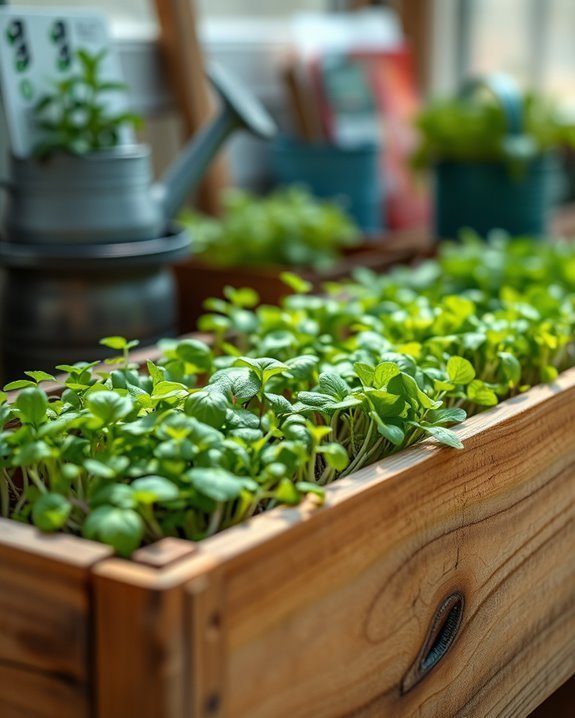
Growing microgreens can be a rewarding and straightforward way to kickstart your gardening journey, even if you have limited space.
These tiny greens pack a nutritional punch and come in various microgreen varieties, including radish, basil, and broccoli.
To get started, choose a shallow tray, fill it with potting soil, and sprinkle your seeds evenly.
Water them gently and place them in a sunny spot.
Use simple growing techniques like keeping the soil moist and providing good airflow.
Within a week, you’ll have fresh, flavorful greens to enjoy in salads, sandwiches, or smoothies.
Happy gardening!
Incorporate Aromatic Plants

Incorporating aromatic plants into your garden not only enhances the beauty of your space but also adds delightful scents and flavors to your cooking.
Consider planting fragrant herbs like basil, rosemary, and mint; they’re easy to grow and perfect for seasoning dishes. You can also add aromatic flowers such as lavender and chamomile, which not only smell amazing but attract beneficial pollinators, too.
These plants thrive in various conditions, so you can find the perfect spot for them. With a mix of fragrant herbs and aromatic flowers, your garden will be a sensory delight that elevates your culinary experiences.
Create a Sensory Garden

Aromatic plants can be a fantastic starting point for creating a sensory garden that fully engages your senses. Incorporate scented flowers and fragrant herbs to fill the air with delightful aromas.
Add colorful blooms for visual appeal and textured foliage to create tactile elements for touch. Design sensory pathways with various materials to enhance the experience.
Include sound features, like wind chimes or rustling grasses, to engage your hearing. Finally, consider taste plants, such as edible flowers or herbs, to delight your palate.
Start a Vegetable Patch

If you’ve ever dreamed of plucking fresh tomatoes or crisp lettuce straight from your garden, starting a vegetable patch is the perfect way to make that dream a reality.
Begin by choosing easy-to-grow vegetable varieties like radishes, carrots, or zucchini. These are forgiving for beginners and yield quickly.
When planting, remember to space your seeds properly and follow the recommended depth for each type. Keep your patch well-watered, but avoid over-watering to prevent root rot.
Incorporate organic compost for healthy soil. With these planting tips, you’ll soon enjoy the fruits of your labor right from your backyard!
Use Raised Planters

For those who want to take their gardening to the next level, raised planters can be a fantastic option. They offer numerous raised planter benefits, such as improved drainage, better soil quality, and easier access for planting and maintenance.
You can choose from various raised planter designs, including wooden boxes, metal containers, or even tiered structures that add visual interest to your garden space. These planters also help keep pests away while minimizing back strain during gardening.
Grow a Zen Garden

Creating a Zen garden can be a rewarding way to cultivate tranquility in your outdoor space.
Start with zen garden essentials like raked gravel, which symbolizes water, and carefully placed stones for balance. Choose a few plants—think low-maintenance options like succulents or bamboo—to add life without overwhelming the senses.
Incorporate elements like a small fountain or a bench for relaxation. Your tranquility garden design should promote calmness, so keep it simple and uncluttered.
Spend time tending to it, and you’ll find your Zen garden becomes a peaceful retreat, perfect for reflection and mindfulness in your everyday life.
Create a Wildlife Habitat

Building a wildlife habitat in your garden not only supports local ecosystems but also brings joy as you observe various creatures thriving in your space.
Start by selecting wildlife friendly plants that provide food and shelter for birds, butterflies, and bees. Incorporate a mix of native flowers, shrubs, and trees to attract diverse species.
To create nesting sites, consider adding birdhouses, bee hotels, or even leaving some areas of your garden wild.
Grow Climbing Plants

Climbing plants can transform your garden by adding vertical interest and maximizing space. To get started, choose varieties like beans, peas, or flowering vines that suit your climate.
Set up climbing structures, such as trellises or arbors, to provide sturdy vine support. Position these structures in sunny spots, as most climbing plants thrive in bright light.
Regularly check for growth, ensuring the plants are securely attached to their supports. Water them consistently and watch as they climb, creating a lush green backdrop or colorful display.
With a little care, you’ll enjoy the beauty and functionality of climbing plants in no time!
Use Mulch for Weed Control

With your climbing plants thriving, it’s time to think about maintaining a tidy garden.
One effective way to manage weeds is by using mulch. There are various mulch types, like wood chips, straw, and shredded leaves, each offering unique benefits. By applying a thick layer of mulch around your plants, you’ll suppress weed growth and retain moisture in the soil.
This not only simplifies your weed management but also enhances the overall health of your garden. Remember to refresh the mulch periodically to keep it effective.
A little effort now will save you time and frustration later!
Experiment With Plant Propagation

Plant propagation is a fun and rewarding way to expand your garden without breaking the bank.
By experimenting with various propagation techniques, you can multiply your favorite plants easily. Start with plant cuttings, which involve snipping a healthy section of the plant and encouraging it to root in water or soil.
You can also try division or layering, depending on the type of plant. It’s exciting to watch new growth emerge from your efforts.
Don’t be afraid to test different methods and see what works best for you. Soon, you’ll have a thriving collection of plants to enjoy!
Create a Seasonal Flower Bed

After you’ve had fun experimenting with plant propagation, why not take your gardening skills a step further by creating a seasonal flower bed?
Start by choosing a variety of flowers that showcase vibrant seasonal colors. Think about spring blooms like tulips and daffodils, followed by summer favorites like sunflowers and zinnias. For fall, consider chrysanthemums and asters.
When making your flower selection, make sure you mix heights and textures for visual interest. Arrange your flowers in groups to create a stunning display.
With a little planning, you’ll have a beautiful flower bed that changes with the seasons, delighting you all year round!
Conclusion
Gardening can be your canvas, where each plant is a stroke of creativity waiting to bloom. As you immerse yourself in these beginner-friendly ideas, remember to enjoy the journey—every seed you plant is a step toward your own green masterpiece. Embrace the joy of nurturing life and watching your garden flourish. With patience and a little care, you’ll cultivate not just plants, but a rewarding hobby that brings beauty and tranquility to your space. Happy gardening!