
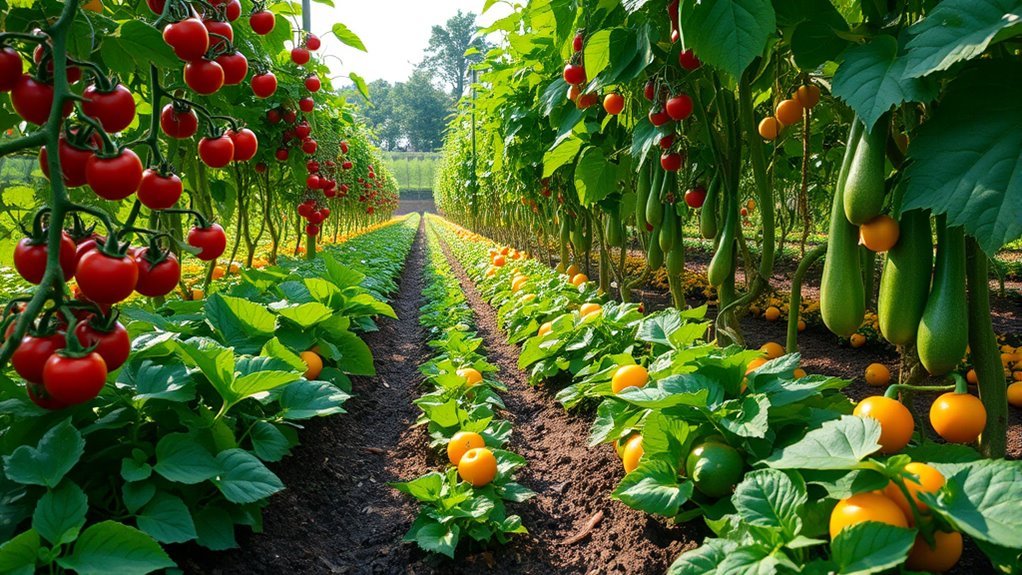
40 Garden Vegetable Ideas for Bigger Yields
To boost your vegetable garden’s yield, start by choosing high-yield hybrids and disease-resistant varieties. Utilize companion planting to attract beneficial insects and fend off pests. Implement vertical gardening and square foot gardening to maximize your space. Don’t forget to time your planting around frost dates and select drought-resistant plants. Spacing your plants for ideal airflow is essential too. There’s so much more you can do to enhance your gardening success, so keep exploring these strategies!
Companion Planting Strategies

Choosing the right vegetable varieties is just the beginning; how you plant them together can greatly impact your garden’s success.
Implement companion planting strategies by creating effective planting patterns that encourage beneficial insects. For instance, pairing tomatoes with basil can deter pests, while attracting pollinators helps your crops thrive.
Pay attention to these combinations to maximize your yields and garden health.
Utilizing Vertical Gardening Techniques

Whether you have limited space or simply want to enhance your garden’s aesthetic, utilizing vertical gardening techniques can transform your growing experience.
By incorporating trellis designs, wall planters, and hanging baskets, you can maximize vertical space and optimize your garden height.
Consider using vertical planters for climbing vegetables and creative plant arrangements to make the most of your container gardening efforts.
Implementing Crop Rotation

After maximizing your vertical space with climbing vegetables and creative arrangements, it’s time to think about how to maintain soil health and improve crop yields.
Implementing crop rotation enhances soil fertility by alternating plant families, which helps restore nutrients. This practice also aids in pest management, as rotating crops disrupts pest life cycles, reducing infestations and ensuring a healthier garden overall.
Adopting Succession Planting Methods

Once you’ve mastered the timing of your initial plantings, adopting succession planting methods can further enhance your garden’s productivity.
By implementing crop scheduling, you can stagger your planting intervals, ensuring a continuous harvest throughout the season.
This technique not only maximizes space but also allows you to enjoy fresh vegetables over an extended period, keeping your garden thriving and fruitful.
Understanding Sunlight Requirements

How can you guarantee your vegetables thrive in the garden? Understanding sunlight requirements is key.
Most vegetables need at least six hours of sunlight exposure daily, while some can tolerate partial shade. Knowing the shade tolerance of your plants helps you position them effectively.
Using Raised Beds for Better Drainage

Along with sunlight, proper drainage plays an essential role in vegetable gardening success.
Using raised beds enables you to control soil amendments and improve drainage. Choose raised bed materials like untreated wood or metal for durability.
Elevating your garden not only prevents waterlogging but also warms the soil faster, promoting healthier root systems and bigger yields.
Happy gardening!
Implementing Drip Irrigation Systems

Implementing a drip irrigation system can revolutionize the way you water your garden.
By focusing on proper drip emitter placement, you’ll guarantee that each plant receives the right amount of water directly at the roots.
Regular system maintenance is key, too; check for clogs and leaks to keep everything running smoothly.
With a little effort, you’ll boost your garden’s productivity considerably.
Pruning Techniques for Higher Yields
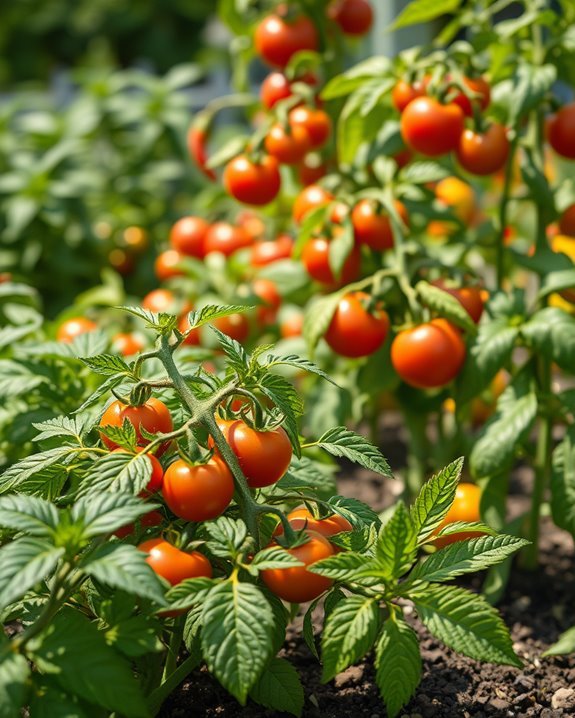
To further boost the productivity of your garden, mastering pruning techniques can make a significant difference in your yields.
Leaf pruning helps direct energy to fruit production, while tip pruning encourages bushier growth.
By regularly removing excess leaves and cutting back the tips of stems, you’ll promote healthier plants that produce more abundant crops throughout the growing season.
Get pruning for better harvests!
Using Shade Cloth for Temperature Control
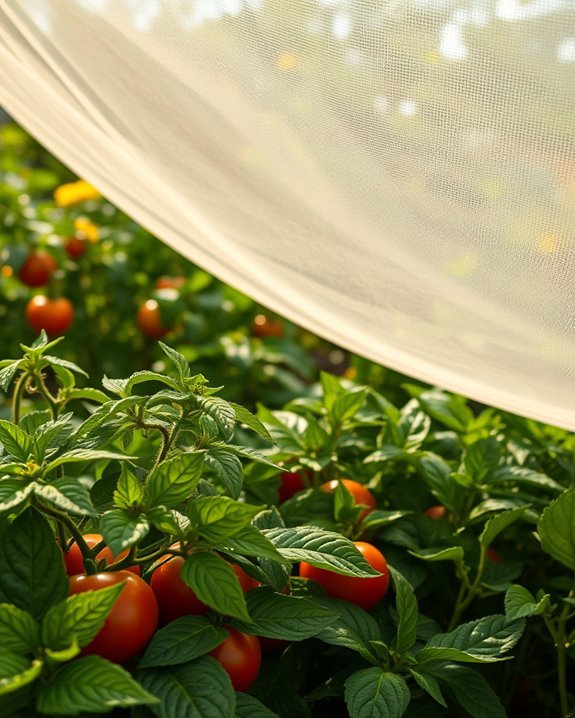
Shade cloth acts like a protective shield for your garden, helping to regulate temperatures and safeguard your plants from the harsh sun.
By using shade cloth, you’ll enjoy shade cloth benefits like reduced heat stress, extended growing seasons, and enhanced crop yields.
It’s an effective way to guarantee your plants thrive, especially during those scorching summer days when temperature regulation is essential.
Building a Compost Bin for Nutrients

Creating a compost bin is a fantastic way to enrich your garden soil with essential nutrients.
By incorporating kitchen scraps and yard waste, you can start the decomposition process.
Consider adding worms for worm composting, which accelerates nutrient breakdown.
Once your compost is ready, you can brew compost tea to provide your plants with a nutrient-rich liquid boost.
Happy composting!
Creating a Microclimate in the Garden

Creating a microclimate in your garden can greatly boost your vegetable growth, especially when you’ve already embraced the flexibility of container gardening.
To enhance microclimate creation, group your plants together and use structures like trellises or fences for windbreaks. These methods help with temperature regulation, keeping your veggies warmer in cooler months and cooler during heat waves, ensuring healthier yields.
Selecting Fast-Growing Vegetable Varieties

Which fast-growing vegetable varieties should you consider for your garden?
Look for fast maturing crops like radishes, lettuce, and green beans that thrive in shorter growing seasons.
These quick harvest vegetables not only provide fresh produce but also keep your garden productive.
Incorporating Herbs for Companion Benefits

Incorporating herbs into your vegetable garden not only enhances flavor but also offers significant companion benefits that can boost your overall yield.
For instance, basil’s herb benefits include repelling pests while promoting healthier tomatoes.
Similarly, rosemary can enhance the growth of beans.
Experiment with various herb pairings, and you’ll notice improved resilience and flavor in your crops, maximizing your garden’s potential.
Spacing Plants for Maximum Airflow

To guarantee healthy plant growth, aim for adequate spacing between your vegetables. This secures maximum airflow benefits, reducing the risk of diseases and promoting stronger plants.
Consider using interplanting techniques to optimize your garden layout, allowing companion plants to thrive without crowding each other. By prioritizing space, you’ll enhance light penetration and air circulation, ultimately boosting your vegetable yields.
Tomatoes

Tomatoes are a garden favorite, and it’s easy to see why. Their juicy, vibrant fruits come in various heirloom varieties, each offering unique flavors.
To maximize your yield, consider companion planting; pairing tomatoes with basil or marigolds can enhance growth and deter pests.
Carrots

Carrots are a colorful and nutritious addition to any garden. You can choose from several carrot varieties, such as Nantes and Imperator, to suit your taste and soil conditions.
Plant them in loose, well-drained soil for the best results. Once harvested, store your carrots in a cool, dark place to maintain freshness and crunchiness for weeks to come.
Enjoy your homegrown bounty!
Bell Peppers

Bell peppers are a vibrant and versatile addition to your garden.
You can choose from numerous bell pepper varieties, including red, yellow, and green, each offering unique flavors and uses.
Beyond their delicious taste, bell pepper benefits include high vitamin C content and antioxidants, making them a nutritious choice for your meals.
Grow these colorful veggies and enjoy their health perks all season long!
Spinach

After enjoying the vibrant flavors of bell peppers, consider adding spinach to your garden for a nutritious boost.
You can choose from various spinach varieties like Savoy or Flat-leaf, each offering unique textures. Spinach grows quickly and is perfect for salads or sautéing.
Explore delicious spinach recipes, such as spinach and feta stuffed chicken or creamy spinach pasta, to make the most of your harvest!
Lettuce
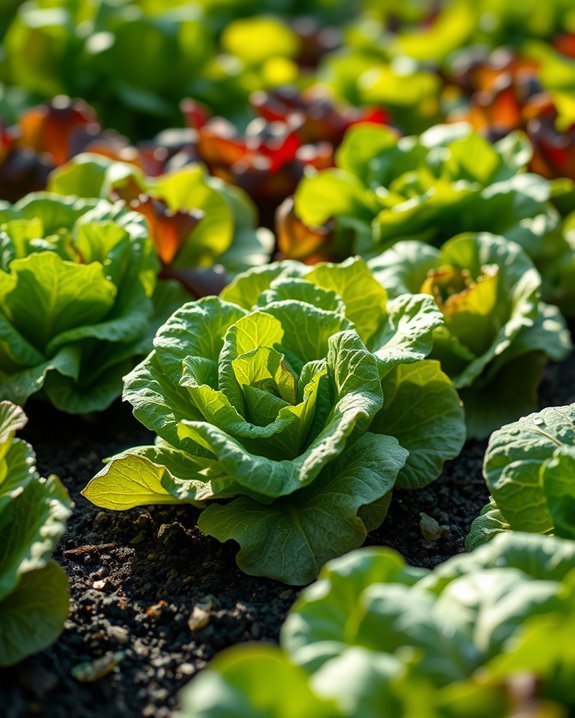
Lettuce is a fantastic addition to any garden, offering a crisp, revitalizing crunch that elevates salads and sandwiches alike.
You can choose from various varieties of lettuce, like romaine, butterhead, and leaf lettuce, to suit your taste.
Just keep an eye out for common lettuce pests, such as aphids and slugs, to guarantee a healthy and bountiful harvest.
Radishes

If you’re looking to add a bit of spice to your garden, radishes are a perfect choice.
Explore various radish varieties for unique flavors and consider radish companion planting for ideal growth.
Use effective radish pest control methods and learn radish harvesting techniques for a successful yield.
Enjoy radish recipes that highlight their nutrition facts, and try radish seed saving for future crops.
Zucchini

Whether you’re short on space or just want to grow something versatile, zucchini is an excellent addition to your garden.
You can whip up delicious zucchini recipes like stir-fries or baked goods. Plus, they’re easy to store; simply keep them in a cool, dry place or refrigerate for longer freshness.
Enjoy the bounty of your garden with these simple tips!
Green Beans

After enjoying the versatility of zucchini, you might want to contemplate adding green beans to your garden.
With numerous green bean varieties like bush and pole, you’re sure to find one that suits your space.
Plus, they thrive with companion planting—team them up with corn or carrots for better growth.
You’ll love fresh green beans straight from your own backyard!
Kale

Kale is a powerhouse vegetable that deserves a spot in your garden. Packed with kale nutrition, it offers essential vitamins and minerals, making it a healthful addition to your diet.
You can enjoy it in various kale recipes, from salads to smoothies. With its easy growing conditions, you’ll love watching your kale thrive while reaping the benefits of homegrown goodness.
Beets

If you’re looking to add a colorful and nutritious vegetable to your garden, beets are an excellent choice.
They’re easy to grow and packed with vitamins, promoting overall beet health. You can enjoy them roasted, pickled, or in salads with delicious beet recipes.
Plus, their vibrant color brightens any dish, making them both healthy and appealing on your plate.
Onion

Onions can elevate your garden with their versatility and flavor, making them a staple in countless dishes.
To guarantee a successful harvest, focus on effective onion pest management by regularly inspecting your plants for pests.
Once harvested, use proper onion storage techniques, like keeping them in a cool, dry place, to prolong shelf life and maintain their delicious taste.
Happy gardening!
Garlic

While garlic might be small, its impact on your garden and kitchen is anything but minimal.
You’ll enjoy numerous garlic benefits, from its robust flavor to its health-boosting properties. Plus, exploring different garlic varieties can add unique tastes to your dishes.
Whether you choose hardneck or softneck types, planting garlic is an excellent way to enhance your culinary experience and garden diversity.
Eggplant

Although eggplants may seem intimidating with their glossy skin and unique shape, growing them in your garden can be surprisingly rewarding.
You can explore various eggplant varieties, such as Italian or Asian types, that thrive in different climates.
Once harvested, try out delicious eggplant recipes like baba ganoush or eggplant parmesan to savor the fruits of your labor and impress your family!
Cabbage
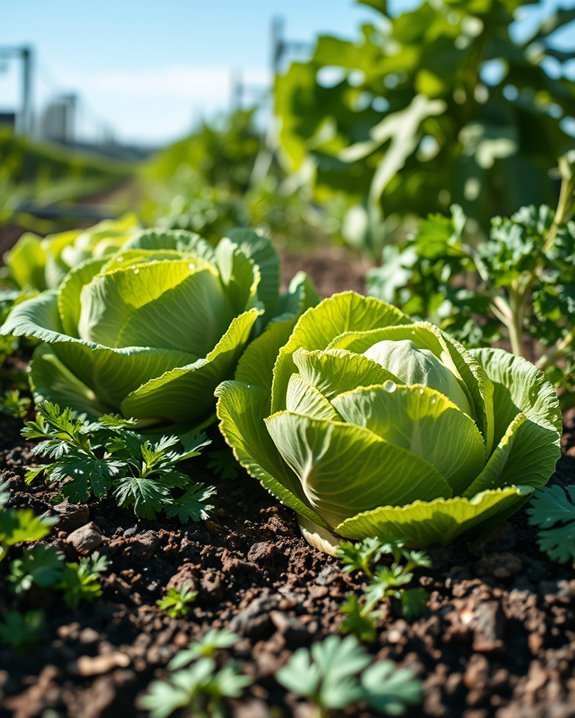
Cabbage can be a rewarding addition to your garden, especially since it’s packed with nutrients and relatively easy to grow.
You can choose from various cabbage varieties, like green, red, or savoy, to suit your taste.
Just be mindful of common cabbage pests, such as aphids and cabbage worms, which can affect your crop.
Regular checks can help keep them at bay!
Cauliflower

Although you might think growing cauliflower is challenging, it can actually thrive in your garden with the right care.
Choose from various cauliflower varieties like white, purple, or romanesco to add color to your garden.
Once harvested, you can enjoy delicious cauliflower recipes, from creamy soups to roasted dishes.
With a little attention, you’ll be rewarding yourself with fresh, homegrown produce.
Parsley

Parsley is a fantastic herb to grow in your garden, adding fresh flavor to a variety of dishes. You can use it in salads, soups, and garnishes, enhancing your culinary creations.
Beyond taste, parsley offers health benefits too, packed with vitamins A, C, and K. Incorporating this vibrant herb into your meals boosts both flavor and nutrition effortlessly.
Chard

Chard is another vibrant addition to your garden that can elevate your meals just like parsley.
With various chard varieties, including rainbow and Swiss, you’ll enjoy colorful leaves and stems.
Chard benefits include high nutrient content, packed with vitamins A, C, and K.
It thrives in cooler weather, making it a perfect choice for extending your growing season.
Enjoy fresh chard in salads or sautéed dishes!
Cilantro

While you may enjoy a variety of herbs in your garden, cilantro stands out with its distinct flavor and versatility in the kitchen. You can enhance salsa, salads, and soups with fresh cilantro, making it a must-have.
Besides its culinary uses, cilantro offers health benefits like aiding digestion and providing antioxidants.
Explore various cilantro recipes to discover how this herb can elevate your meals!
Basil

Basil is a fragrant herb that can transform your culinary creations with its bold flavor and aromatic presence.
You can use basil in salads, pasta, and sauces to elevate your dishes. Plus, it offers impressive health benefits, including anti-inflammatory properties and antioxidants.
Growing your own basil not only enhances your meals but also contributes to your overall well-being. Start planting today!
Dill

Dill is a versatile herb that adds a fresh, tangy flavor to a variety of dishes. You can use it in salads, soups, or as a seasoning for fish.
Beyond its culinary uses, dill offers impressive health benefits, including digestive support and antioxidant properties.
Growing your own dill not only enhances your meals but also boosts your well-being. Enjoy the rich flavors and benefits!
Thyme

Just as dill brings a bright flavor to your dishes, thyme offers its own unique, earthy aroma that can elevate your cooking.
Thyme benefits include its antioxidant properties and potential to boost your immune system.
You can easily incorporate thyme into various thyme recipes, from roasted vegetables to hearty soups, enhancing both taste and nutrition.
Start growing thyme for a fresh flavor boost!
Oregano

Although you might think of oregano as just a pizza topping, this versatile herb can transform a variety of dishes with its robust flavor.
Growing oregano is easy and rewarding, as it thrives in sunny spots and well-drained soil.
Besides enhancing your meals, oregano benefits include its antioxidant properties and potential anti-inflammatory effects, making it a must-have in your home garden.
Leeks

Leeks are a fantastic addition to any garden, offering a mild onion flavor that enhances a variety of dishes.
You’ll find several leek varieties, such as the King Richard and American Flag, each bringing unique qualities to your meals.
Try incorporating them into delicious leek recipes like soups, stews, or quiches.
Growing leeks can transform your cooking and elevate your garden experience!
Collard Greens

Collard greens are a nutritious powerhouse that can thrive in your garden. Packed with vitamins A, C, and K, they offer numerous collard greens benefits, including improved bone health and reduced inflammation.
You can enjoy them in a variety of collard greens recipes, such as sautéed with garlic or in hearty soups. Growing your own guarantees fresh, flavorful greens year-round!
Mustard Greens

While you may already know about collard greens, mustard greens deserve equal attention for their vibrant flavor and numerous health benefits.
These leafy greens are packed with vitamins A, C, and K, boosting your immune system and promoting healthy skin.
Try incorporating mustard greens into your meals with delicious mustard greens recipes like sautéed or in salads, and enjoy their incredible benefits!
Corn

Corn is a beloved staple in gardens, offering both sweet flavors and versatile uses.
When growing corn, explore different corn varieties like sweet, heirloom, and popcorn to suit your taste.
Keep an eye out for corn pests, such as the corn earworm and aphids, which can damage your crop.
With proper care, you’ll enjoy a bountiful harvest of delicious corn.
Conclusion
Growing your own vegetables isn’t just rewarding; it can transform your meals and lifestyle. Imagine stepping into your backyard to pluck a ripe tomato, knowing it’s fresh and chemical-free. Just like Sarah, who started her small garden with just a few cucumbers and tomatoes, you can create a thriving space that feeds not only your body but also your soul. So grab your seeds, get your hands dirty, and enjoy the fruits of your labor!